
Categories
GalvestonPublished September 16, 2026
What to Expect When Living in Galveston, TX

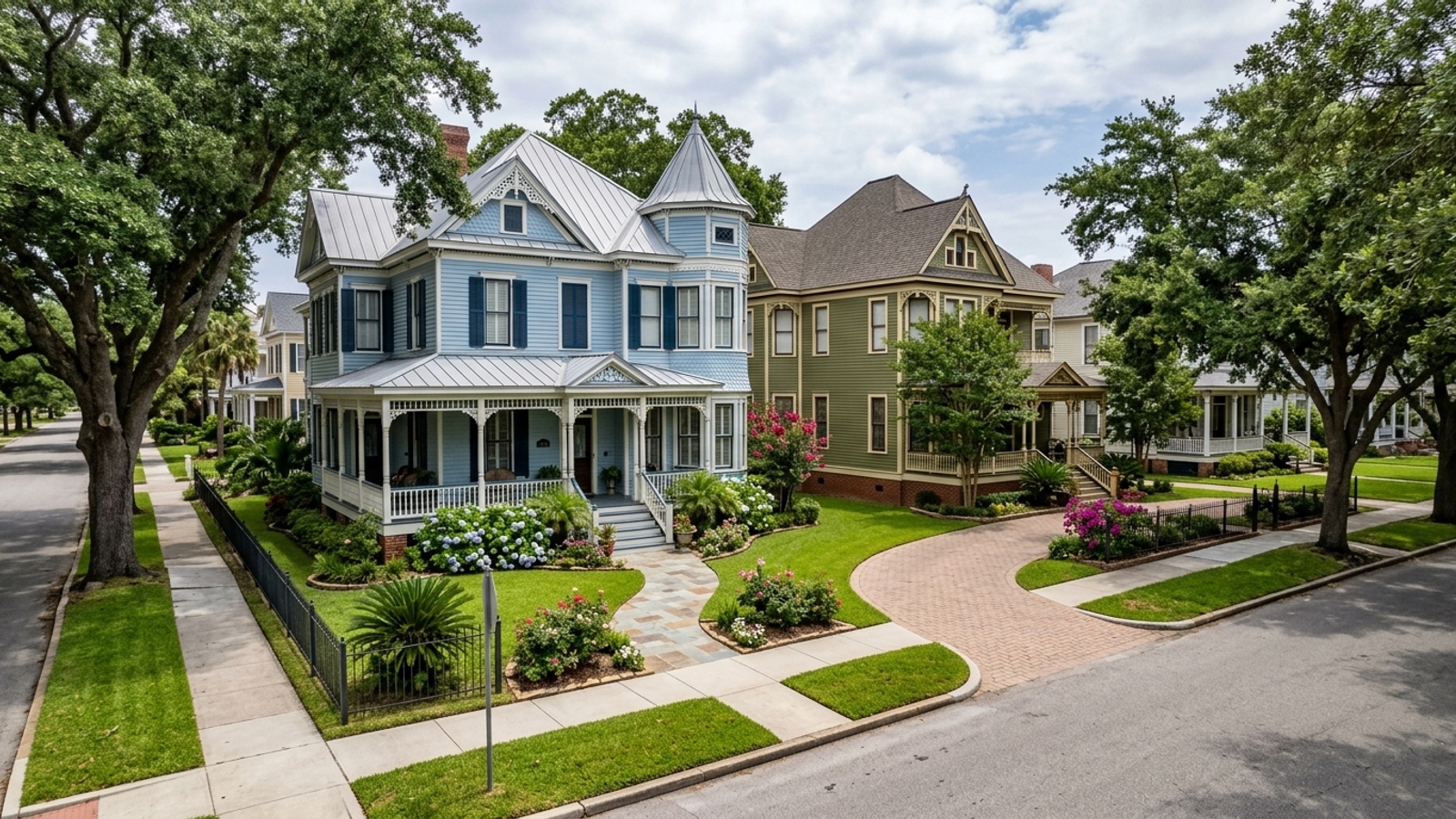
Galveston, TX is a coastal city on the Gulf of Mexico with about 53,424 residents. It's a genuinely different place to live than anywhere else in Texas - not better or worse, just different. Beach access, historic architecture, and a tourism-driven economy shape daily life here in ways that don't apply to the mainland.
If you're seriously considering a move, you need to go in with clear eyes. The ocean proximity is real, and so are the flood insurance bills, the seasonal traffic, and the hurricane evacuation plans. None of that is a reason to walk away - it's just what coastal living looks like once the novelty wears off.
Everyday Life on the Island
Galveston runs as both a working residential community and a major tourist destination at the same time, which is a tension you'll feel every summer. The local lifestyle revolves around the water - miles of beaches and a historic downtown area known as The Strand anchor most of what people do here.
The city draws a wide range of residents: professionals commuting to the mainland, people targeting coastal retirement, UTMB medical staff, and maritime workers. Housing styles reflect that range, too. You'll find elevated beach houses on the West End and Victorian homes in the East End Historical District within a few miles of each other.
Who Tends to Move Here
People who move to Galveston are usually choosing it over something - over the suburbs, over the commute-first lifestyle, over a landlocked zip code. Outdoor recreation and a smaller-town feel tend to outrank proximity to major metropolitan amenities on their priority list. Texas's lack of a state income tax also pulls in out-of-state buyers who want to stretch what they can spend on housing.
One thing to prepare for: the island's atmosphere shifts noticeably by season. Summer brings a surge of tourists that changes the pace of everything from grocery runs to finding a table at a local restaurant. That's not a complaint you'll hear from most locals - it's just the rhythm of the place.
Location and Commute Times
Galveston sits in Galveston County on a barrier island along the Texas Gulf Coast. Interstate 45 is the main artery connecting the island to the mainland - it's how you commute, how you shop for things you can't find locally, and how you leave when a storm is coming.
The drive from Galveston to Houston covers roughly 50 miles. Under normal conditions, plan on about 50 minutes to just over an hour.
Traffic and Regional Travel
"Normal conditions" is doing a lot of work in that sentence. During peak travel times or tourist season, that same trip into Houston can stretch to 90 minutes or more. The Houston-Galveston Area Council logged an average commute time of 67 minutes back in 2018, and projections pointed toward longer drive times going forward - not shorter.
Weekend traffic on the Gulf Freeway gets genuinely congested when beachgoers flood onto the island. If you're commuting daily, you'll develop opinions about what time you leave and what time you come home. I-45 is the only major route off the island, which is worth internalizing before you commit to a purchase.
Cost of Living and Housing Prices
Day-to-day expenses in Galveston run slightly below the national average. BestPlaces scores the city at 95.8, putting everyday costs about 4.2% below the U.S. baseline. The Economic Research Institute puts the gap at 6%. Either way, you're not paying a coastal premium on groceries.
Real estate is where the local budget takes shape. The median sale price for a home in Galveston is approximately $374,000, and homes are sitting on the market for roughly 92 days before they sell.
The Local Housing Market
Right now there are about 1,000 homes in inventory, which works out to roughly 9.3 months of supply. Homes are selling at about 93.9% of list price, which means buyers have real negotiating room - more than you'd find in most Texas markets at the moment.
The purchase price will get you more square footage than inner-loop Houston, but don't let that comparison do all the math for you. Coastal properties require separate windstorm and flood coverage that mainland homes don't need, and those premiums matter when you're running your monthly numbers.
Crime Rates and Safety Data
Galveston's crime rate runs higher than the national average. NeighborhoodScout puts it at 31 crimes per 1,000 residents, which ranks above 94% of Texas communities. City-Data's 2024 crime index places the city at 1.4 times the U.S. average - a figure that exceeds the rate in 91.4% of cities nationwide.
Those are real numbers, and you should take them seriously.
Understanding Local Crime Data
Property crime accounts for a large share of what's being reported, which is a pattern common in cities with high tourist turnover. A rotating population of visitors and short-term renters compresses a lot of people into a small area during peak seasons, and that affects the per-capita statistics in ways that don't always reflect the experience of living on a residential street year-round.
That said, don't average this away. When you're shopping specific neighborhoods, pull the police department's local incident maps. The difference between the commercial tourist zones and established residential streets can be significant, and you want to know what you're buying into before you make an offer.
Population and Demographics
The latest Census data puts Galveston's population at about 53,424. Projections for 2026 estimate roughly 54,778 residents, which would make it the 72nd most populated city in Texas.
The median household income is $55,631, with a per capita income of $45,694. The city reports a poverty rate of 21.43% - a number worth keeping in mind when you're thinking about the broader community.
Community Profile
The local economy runs on three main tracks: tourism, healthcare, and maritime industries. The Port of Galveston and the University of Texas Medical Branch - UTMB - are the two biggest institutional employers on the island.
UTMB in particular has a meaningful effect on the housing market. Medical students, residents, and healthcare professionals create consistent demand for rentals and long-term residential properties that you wouldn't see in a purely tourism-dependent town.
Climate, Weather, and Storm Risks
Let's be direct about this: Galveston County carries serious climate risk. Data shows 87% of properties face severe flooding risk over the next 30 years. Every single property - 100% - faces extreme risk from severe wind events. Hurricane season runs June through November, and residents maintain evacuation plans the same way they maintain smoke detectors.
Homes built or renovated in recent years often reflect those realities in their construction - elevated living spaces, breakaway walls on the ground floor. When you're touring properties, those features aren't quirks, they're load-bearing parts of what makes a home functional here.
Year-Round Temperatures
The Gulf of Mexico keeps temperatures from swinging to extremes. Summers are hot and humid; winters are mild and rarely see a freeze. That climate supports year-round outdoor activity, which is a meaningful part of why people choose this place.
The flip side of that salt air and persistent humidity is maintenance. Exterior paint, metal fixtures, and HVAC systems degrade faster here than they do even a few miles inland. Budget for it, and don't be surprised when a home inspector flags it.
Pros and Cons of Moving to the Island
Living in Galveston means trading certain things to get other things. The primary advantages are straightforward: a walkable beach community, no state income tax, and housing prices that undercut central Houston. You're getting ocean access at a price that would buy you a modest suburban house in a lot of other Texas markets.
The drawbacks are just as specific. High coastal insurance premiums, a crime rate above the national average, and real exposure to storm surge and wind damage - those aren't hypothetical concerns, they're built into the cost of being here.
Weighing the Trade-Offs
If daily access to the water is the point - fishing, boating, beachcombing as part of the ordinary week, not the occasional weekend - Galveston delivers that in a way few places at this price point can.
If you're commuting to Houston every day, the math gets harder. I-45 is the only road off the island, and when it's congested or closed for weather, there's no workaround. That single-route dependency is manageable for a lot of people, but it's worth sitting with honestly before you sign anything.
Recreation, Dining, and Neighborhoods
Galveston's amenities are shaped by its coastal history in a way that makes the place feel genuinely distinct. The Strand Historic District is anchored by restored 19th-century buildings that now house local shops, galleries, and restaurants - it's not a manufactured "historic" zone, it's the actual old commercial core of the city.
Housing divides fairly cleanly between the East End and the West End. The East End Historical District holds the older, architecturally significant homes clustered near the downtown commercial center.
Exploring the West End
The West End is a different experience - newer construction, elevated beach houses, direct access to the beach or the bay. It's where you'll find much of the vacation rental inventory, alongside residents who specifically want to be on the water rather than near it.
Dining across the island centers on Gulf seafood and casual coastal fare. The restaurant scene serves both the permanent population and the waves of seasonal visitors, which means quality varies more than it would in a purely local market.
Senior and Assisted Living Options
Mild winters and a coastal environment have made Galveston a consistent draw for retirees. The city offers a range of senior living arrangements, from independent communities to assisted living facilities with tiered care options.
The presence of UTMB is a real advantage for older residents. Having a major academic medical center on the island - rather than a 50-mile drive away - provides access to specialized healthcare that most retirement destinations can't offer.
Facility Types and Availability
Assisted living centers in the area provide memory support and daily assistance alongside tiered care, which means residents can stay on the island as their needs change rather than relocating for a higher level of care.
If you're looking at 55+ communities, there are options built specifically for active adults. They typically handle exterior maintenance, which is worth more here than it sounds - that salt air doesn't take days off, and having someone else manage it removes a real ongoing burden.
Frequently Asked Questions
What is the cost of living in Galveston, TX?
The cost of living in Galveston runs roughly 4% to 6% below the national average. Everyday expenses like groceries are lower than the U.S. baseline, but residents should budget for elevated coastal property insurance, which can offset those savings depending on the property.
What is the crime rate in Galveston, TX, and is it safe?
Galveston reports a crime rate of 31 per 1,000 residents, which is higher than the national average. Property crime makes up a large portion of those incidents, influenced by the high volume of seasonal tourists. Neighborhood-level data varies, so review incident maps for any specific area you're considering.
What are the pros and cons of living in Galveston, TX?
Pros include a walkable beach lifestyle, no state income tax, and lower housing prices than inner-loop Houston. Cons include extreme wind and flood risks, high insurance premiums, and heavy tourist traffic on I-45.
What are winters like in Galveston, TX?
Winters are mild and rarely see freezing temperatures. The Gulf of Mexico moderates the climate year-round, which allows for outdoor recreation in months that would be off-limits in most of the country.
Is Galveston, TX a good place to live for families or retirees?
The area draws retirees because of the mild climate and on-island access to UTMB healthcare facilities. Families who move here tend to prioritize the coastal lifestyle, though commuting distances and higher property crime rates are real factors to weigh before deciding.
What should I know about flood insurance and hurricane risk before moving to Galveston, TX?
Data shows 87% of Galveston County properties face severe flood risk over the next 30 years, and 100% face extreme wind risk. Standard homeowner's insurance doesn't cover either of those perils - you'll need separate windstorm and flood policies, and you should get those quotes before you finalize any purchase decision.
What are the main employment industries on the island?
The local economy relies on tourism, healthcare, and maritime operations. The Port of Galveston and the University of Texas Medical Branch serve as the largest institutional employers, anchoring the job market in Galveston. Many other residents choose to commute to the mainland for work via Interstate 45.
Should I move to the island or a mainland suburb?
Buyers evaluating a move often weigh the island against mainland communities to balance lifestyle preferences with practical costs. While the island offers immediate beach access, the choice between Galveston and Clear Lake usually comes down to the added expense of coastal flood insurance. Commuters must also factor in the single-route dependency of Interstate 45 when leaving the barrier island.

April Aberle
REALTOR ® | Mortgage Originator | Homes for Heroes Affiliate | April Aberle | REMAX Crossroads Realty
or another way